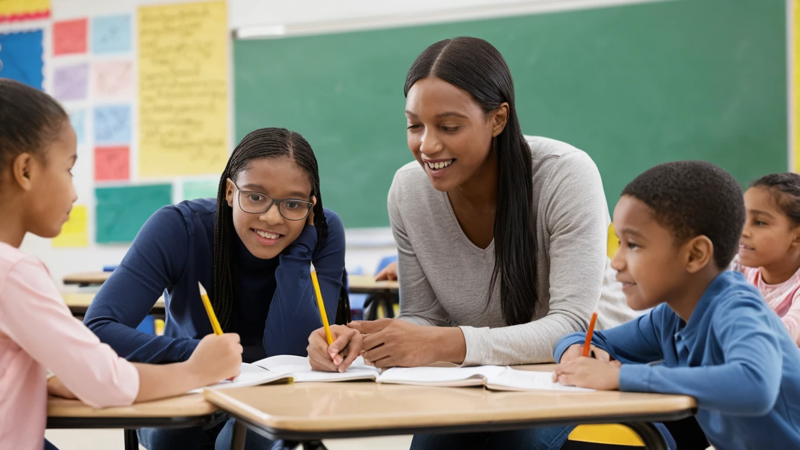
Inclusive teaching strategies for diverse learners help students feel supported, engaged, and confident in every classroom environment.
Inclusive teaching strategies for diverse learners create a classroom where every student feels valued, supported, and capable of success. These methods help teachers meet different learning styles, cultural backgrounds, language abilities, and academic needs while improving engagement and classroom performance.
Inclusive Teaching Strategies For Diverse Learners 🌟
Have you ever wondered why some students thrive in class while others quietly fall behind, even when the teacher works hard? The answer often lies in how instruction is delivered. Every student learns differently, and a one-size-fits-all approach rarely works anymore.
Today’s classrooms are more diverse than ever. Students come from different cultures, speak different languages, and process information in unique ways. Some students need extra support, while others need advanced challenges to stay engaged. Inclusive teaching helps bridge those gaps and creates equal learning opportunities for everyone. 😊
Why Inclusive Teaching Matters In Modern Classrooms 📚
Inclusive teaching is more than just a trend. It is a teaching mindset that ensures every learner feels respected and included. Students perform better when they feel seen and understood by their teachers.
An inclusive classroom also improves emotional safety. Students become more confident when their differences are accepted instead of ignored. This confidence often leads to stronger participation and better academic outcomes. Teachers also build stronger relationships with students through inclusive practices.
Schools that embrace inclusion often experience fewer behavior issues. Students feel connected to their learning environment and become more willing to collaborate. Inclusion encourages empathy, teamwork, and communication skills that benefit students for life.
Understanding Diverse Learners 🧠
Diverse learners include students with different academic abilities, cultural backgrounds, learning disabilities, language skills, and social experiences. Every classroom contains learners with unique strengths and challenges.
Some students learn visually, while others understand information better through listening or hands-on activities. English language learners may require additional language support. Students with ADHD or dyslexia may need different instructional methods to stay engaged.
Teachers who understand these differences can adjust lessons more effectively. Inclusive education recognizes that fairness does not mean treating every student the same. Instead, it means giving students what they individually need to succeed.
| Learning Need | Helpful Teaching Strategy | Classroom Benefit |
| Visual Learners | Charts and diagrams | Better information retention |
| Auditory Learners | Discussions and lectures | Improved listening skills |
| Kinesthetic Learners | Hands-on activities | Higher engagement |
| English Learners | Visual cues and modeling | Stronger comprehension |
Creating A Welcoming Classroom Environment 😊
A welcoming classroom helps students feel emotionally secure. Students are more willing to participate when they know they will not be judged or ignored.
Teachers can create a supportive atmosphere by learning students’ names quickly and respecting cultural differences. Small actions like greeting students warmly or celebrating different traditions can make a huge difference.
Classroom decorations also matter. Diverse books, posters, and learning materials help students feel represented. When students see themselves reflected in the classroom, they feel a stronger sense of belonging.
Using Differentiated Instruction Effectively 🎯
Differentiated instruction means adjusting teaching methods to fit student needs. This strategy allows teachers to present content in multiple ways instead of relying on one method.
For example, a teacher may explain a concept through a short lecture, a video, and a group activity. This variety reaches students with different learning styles. Students also gain more opportunities to understand the lesson.
Assignments can also be differentiated. Some students may complete written responses, while others create presentations or visual projects. Flexible learning options help students show understanding in ways that match their strengths.
Building Strong Teacher-Student Relationships 🤝
Positive relationships are the foundation of inclusive teaching. Students learn better when they trust their teacher and feel emotionally safe in the classroom.
Teachers should listen actively and encourage student voices. Simple conversations about hobbies, goals, or interests help students feel valued. Students are more likely to engage when teachers genuinely care about them.
Respectful communication also matters. Inclusive educators avoid embarrassing students or dismissing their struggles. Instead, they provide encouragement and constructive support that motivates students to keep improving.
Encouraging Student Collaboration 👥
Collaborative learning allows students to learn from one another. Group activities encourage communication, teamwork, and empathy among diverse learners.
Mixed-ability groups often work best. Students can support each other while gaining different perspectives. Stronger students reinforce their understanding by helping classmates.
Teachers should establish clear expectations during group work. Every student should have a meaningful role to prevent exclusion. Collaboration becomes more effective when all students feel their contributions matter.
Helpful Collaborative Activities
- Peer tutoring
- Group problem-solving
- Think-pair-share discussions
- Team presentations
- Learning stations
Supporting English Language Learners 🌍
English language learners often face additional challenges in the classroom. Inclusive teaching strategies can make lessons easier to understand and less overwhelming.
Teachers should use clear language and visual aids whenever possible. Gestures, pictures, and demonstrations help students connect meaning to words. Repeating important information also improves comprehension.
Encouraging peer support is another effective strategy. Students learn language skills faster when they regularly interact with classmates. Teachers should celebrate progress instead of focusing only on mistakes.
| Strategy | Purpose | Student Impact |
| Visual Supports | Clarify instructions | Better understanding |
| Sentence Starters | Build confidence | Improved communication |
| Peer Support | Encourage practice | Faster language growth |
| Simplified Directions | Reduce confusion | Increased participation |
Incorporating Technology In Inclusive Teaching 💻
Technology can make learning more accessible for diverse learners. Educational apps, videos, and digital tools help students engage with lessons in different ways.
Text-to-speech tools support struggling readers. Closed captions help students who learn better visually. Interactive learning platforms also allow students to work at their own pace.
Teachers should use technology thoughtfully instead of relying on it completely. Digital tools work best when they support clear learning goals and encourage active participation.
Applying Universal Design For Learning ✨
Universal Design for Learning, often called UDL, focuses on flexible teaching methods that benefit all students. Instead of creating lessons for one type of learner, teachers design lessons with accessibility in mind from the beginning.
UDL encourages multiple ways of learning and demonstrating understanding. Students may read text, watch videos, or complete hands-on tasks. They may also show learning through writing, speaking, or creating projects.
This approach reduces barriers in the classroom. Students feel more empowered because they can choose methods that fit their learning preferences and strengths.
Using Culturally Responsive Teaching 🌎
Culturally responsive teaching respects and values students’ cultural backgrounds. Students feel more connected to learning when lessons include diverse perspectives and experiences.
Teachers can include books, examples, and discussions from different cultures. Students should feel comfortable sharing their traditions and viewpoints during classroom activities.
This teaching style also challenges stereotypes and bias. Inclusive educators create respectful conversations that help students appreciate diversity instead of fearing differences.
Encouraging Student Voice And Choice 🎤
Students become more engaged when they have choices in their learning. Inclusive classrooms give students opportunities to express opinions and make decisions about assignments.
For example, students may choose between writing an essay, recording a video, or creating artwork for a project. These options help students feel more invested in learning.
Student voice also improves classroom relationships. Learners feel respected when teachers ask for feedback and consider their ideas during lessons and activities.
Addressing Different Learning Styles 📝
Students process information differently. Some learners remember visuals easily, while others learn best through discussion or movement.
Teachers should include a mix of teaching methods during lessons. Combining videos, discussions, reading, and activities helps more students stay engaged and understand concepts clearly.
Flexible teaching methods also reduce frustration. Students are less likely to feel discouraged when lessons match their learning preferences.
Common Learning Styles
- Visual learners prefer images and diagrams.
- Auditory learners understand spoken information best.
- Kinesthetic learners learn through movement and activities.
- Reading and writing learners prefer text-based learning.
Supporting Students With Special Needs ❤️
Students with disabilities deserve equal access to learning opportunities. Inclusive teaching ensures these students can participate meaningfully in classroom activities.
Teachers should collaborate with special education staff and families whenever possible. Understanding student accommodations helps teachers provide better support during lessons.
Simple adjustments often make a big difference. Extra time, flexible seating, or modified assignments can help students succeed without lowering academic expectations.
| Accommodation | Benefit | Example |
| Extended Time | Reduces stress | Longer test completion |
| Flexible Seating | Improves focus | Standing desk options |
| Audio Materials | Supports reading challenges | Recorded lessons |
| Chunked Assignments | Prevents overwhelm | Smaller task sections |
Promoting Social And Emotional Learning 💛
Academic success is closely connected to emotional well-being. Inclusive classrooms support students socially and emotionally, not just academically.
Teachers can build emotional awareness through classroom discussions and reflection activities. Students should learn how to manage emotions, solve conflicts, and show empathy toward others.
A positive emotional environment improves concentration and participation. Students are more likely to take learning risks when they feel emotionally supported.
Managing Classroom Behavior Inclusively 🚦
Inclusive behavior management focuses on understanding student needs instead of simply punishing mistakes. Students often misbehave because of frustration, anxiety, or unmet learning needs.
Clear routines and expectations help students feel secure. Teachers should explain rules positively and consistently. Respectful correction methods maintain student dignity during difficult moments.
Rewarding positive behavior also improves classroom culture. Encouragement often motivates students more effectively than punishment alone. 😊
Using Assessment Strategies For Diverse Learners 📊
Traditional testing does not always measure student understanding accurately. Inclusive classrooms use multiple assessment methods to evaluate learning fairly.
Teachers can use presentations, discussions, projects, and portfolios alongside quizzes and exams. Flexible assessments allow students to demonstrate strengths in different ways.
Regular feedback is equally important. Students improve faster when teachers provide supportive guidance instead of focusing only on grades.
Effective Inclusive Assessment Methods
- Project-based learning
- Student portfolios
- Oral presentations
- Peer reviews
- Self-assessment activities
Overcoming Challenges In Inclusive Teaching 🚀
Inclusive teaching comes with challenges. Teachers may struggle with limited time, large classrooms, or lack of resources. However, small consistent efforts can still create meaningful change.
Professional development helps teachers learn new strategies and stay confident in diverse classrooms. Collaboration with colleagues also provides fresh ideas and support.
Patience is essential during the process. Inclusion is not about perfection. It is about creating a classroom where every student feels capable, respected, and supported.
Helping Families Become Learning Partners 👨👩👧
Family involvement strengthens inclusive education. Parents and caregivers provide valuable insight into student needs, strengths, and learning habits.
Teachers should communicate clearly and regularly with families. Short updates, positive messages, and classroom newsletters help build trust and collaboration.
Inclusive communication also means respecting cultural differences. Families should feel welcomed and included in school activities regardless of language or background.
The Long-Term Benefits Of Inclusive Education 🌈
Inclusive teaching benefits all students, not only those needing extra support. Students develop stronger communication, empathy, and teamwork skills through diverse classroom experiences.
These environments also prepare students for the real world. Modern workplaces and communities include people from many backgrounds and abilities. Inclusive classrooms teach students how to work respectfully with others.
Teachers also benefit from inclusion. Educators become more creative, flexible, and responsive as they adapt lessons to meet student needs.
Conclusion 🎓
Inclusive teaching strategies for diverse learners help create classrooms where every student can thrive academically and emotionally. These strategies encourage flexibility, empathy, collaboration, and student-centered learning. When teachers embrace diversity and adapt instruction thoughtfully, students feel more engaged, confident, and motivated to succeed.
Inclusive education is not about making learning easier. It is about making learning accessible, meaningful, and fair for everyone. Small changes in teaching practices can create powerful results that positively impact students for years to come.
FAQs ❓
What Are Inclusive Teaching Strategies For Elementary Students?
Inclusive teaching strategies for elementary students include visual learning tools, flexible seating, and group activities. Teachers also use differentiated instruction to support different learning styles. These methods help young learners feel engaged and confident in class.
How Do Teachers Support Diverse Learners In Class?
Teachers support diverse learners by adjusting lessons, offering multiple learning methods, and creating welcoming classrooms. They also use technology and flexible assessments to improve accessibility. Strong teacher-student relationships also play a major role.
Why Is Inclusive Education Important For Students?
Inclusive education helps students feel respected, safe, and supported during learning. It improves academic performance and social development. Students also gain empathy and communication skills from diverse classroom experiences.
What Are Examples Of Differentiated Instruction?
Differentiated instruction examples include flexible assignments, learning stations, and visual teaching aids. Teachers may also allow students to choose project formats. These methods help students learn in ways that match their strengths.
How Can Technology Support Inclusive Learning?
Technology supports inclusive learning through tools like text-to-speech apps, educational videos, and interactive platforms. These resources improve accessibility for different learning needs. Students can also learn at their own pace using digital tools.