How to support struggling students with proven strategies that boost confidence, improve learning, and create lasting academic success.
Supporting struggling students starts with understanding their unique learning challenges, building trust, and using practical teaching strategies that improve confidence and motivation. Consistent encouragement, personalized instruction, emotional support, and strong communication between teachers and parents can help students overcome obstacles and succeed both academically and emotionally.
How To Support Struggling Students
Have you ever wondered why some students work hard every day yet still fall behind in class? 📚 Many struggling students are not lazy or unmotivated. They often need the right support system, clear guidance, and a learning environment that helps them feel safe and understood.
When educators and parents recognize learning gaps early, students have a much better chance of improving. Small changes in teaching methods can make a huge difference. The key is creating a balanced approach that supports both academic growth and emotional well-being.
🌟 Understand Why Students Struggle
Every student struggles for a different reason. Some face learning disabilities, while others deal with stress, anxiety, or low confidence. A student may also struggle because lessons move too fast or teaching styles do not match their learning needs.
Teachers and parents should avoid making quick assumptions. Instead, they should observe patterns in behavior, classroom participation, and academic performance. Careful observation helps identify the real problem before creating a solution.
Sometimes students hide their difficulties because they fear embarrassment. This can lead to frustration and poor classroom behavior. Building trust allows students to open up and ask for help more comfortably. 😊
📖 Create A Safe Learning Environment
Students learn best when they feel emotionally safe. Fear of failure often prevents struggling learners from participating in class discussions or asking questions.
A supportive classroom encourages mistakes as part of learning. Teachers should praise effort, not just correct answers. Positive reinforcement builds confidence and reduces anxiety over time.
Simple actions can create a welcoming atmosphere:
- Smile and greet students daily
- Encourage teamwork and collaboration
- Avoid public criticism
- Celebrate small improvements
- Listen patiently during conversations
When students feel respected, they become more willing to engage in learning activities.
| Supportive Classroom Habits | Positive Impact On Students |
| Encouraging participation | Builds confidence |
| Giving constructive feedback | Improves motivation |
| Allowing questions freely | Reduces fear |
| Celebrating progress | Increases engagement |
✏️ Identify Learning Gaps Early
Early intervention is one of the best ways to support struggling students. Small academic gaps can quickly become larger problems if ignored.
Teachers should regularly assess student understanding using quizzes, discussions, and assignments. These tools help reveal areas where students need additional support. Parents should also monitor homework habits and study routines at home.
Warning signs may include:
- Missing assignments frequently
- Difficulty following instructions
- Low participation in class
- Sudden drop in grades
- Avoiding schoolwork altogether
Recognizing these signs early allows educators to act before students lose confidence completely.
🧠 Use Different Teaching Methods
Not all students learn the same way. Some students understand concepts better through visuals, while others learn through listening or hands-on activities.
Using multiple teaching methods helps students absorb information more effectively. Teachers should combine videos, group discussions, interactive games, and written exercises to improve comprehension.
For example, a math lesson becomes more engaging when students use physical objects or real-life examples. Science lessons feel easier when students perform simple experiments themselves. Interactive learning increases memory retention and attention spans. 🎯
💬 Build Strong Relationships With Students
Students perform better when they feel connected to their teachers. A strong relationship creates trust, which encourages students to seek help when needed.
Teachers should spend time learning about student interests, hobbies, and goals. Simple conversations before class can strengthen emotional connections. Students who feel valued are often more motivated to participate academically.
Empathy also matters greatly. Instead of focusing only on poor performance, educators should understand the emotions behind student struggles. Compassion creates a more positive learning experience for everyone.
📅 Set Realistic Academic Goals
Large assignments can overwhelm struggling learners. Breaking tasks into smaller, manageable goals helps students feel more capable and less stressed.
Teachers and parents should work together to create clear expectations. Goals should be specific, measurable, and achievable. Instead of saying, “Improve your grades,” set a target like completing homework three days in a row.
Small wins build momentum. Students gain confidence when they achieve manageable goals consistently. Over time, these small improvements lead to major academic growth. 🚀
| Goal Strategy | Student Benefit |
| Breaking tasks into steps | Reduces overwhelm |
| Daily progress tracking | Builds accountability |
| Rewarding small success | Boosts motivation |
| Clear expectations | Improves focus |
📚 Encourage Active Participation
Passive learning often causes students to lose focus quickly. Active participation keeps students mentally engaged and improves understanding.
Teachers can encourage participation through:
- Classroom discussions
- Hands-on projects
- Educational games
- Peer teaching activities
- Question-and-answer sessions
Interactive learning makes lessons more memorable and enjoyable. Students also develop stronger communication and problem-solving skills through participation.
Struggling students may hesitate at first. Gentle encouragement and positive feedback help them become more comfortable sharing ideas.
🏠 Strengthen Parent And Teacher Communication
Consistent communication between home and school creates stronger support for struggling learners. Parents and teachers should work as a team rather than separately.
Regular updates about academic progress help identify challenges early. Parents can share information about stress, health concerns, or emotional issues affecting learning. Teachers can then adjust classroom support accordingly.
Effective communication methods include:
- Weekly emails or messages
- Parent-teacher meetings
- Progress reports
- Homework check-ins
- Shared academic goals
When students see adults working together, they often become more responsible and motivated.
🎯 Focus On Student Strengths
Struggling students often hear constant criticism about what they cannot do. This damages self-esteem and motivation over time.
Instead of focusing only on weaknesses, educators should highlight strengths. A student who struggles with reading may excel in creativity, sports, or problem-solving. Recognizing these talents builds confidence and encourages persistence.
Strength-based support also creates balance. Students feel more hopeful when they realize they are capable in many areas of life. 🌈
⏰ Teach Time Management Skills
Many students struggle because they lack organization and time management skills. They may procrastinate, forget assignments, or feel overwhelmed by multiple tasks.
Teachers and parents can help students create simple schedules and routines. Visual planners, homework checklists, and timers can improve focus and productivity.
Helpful time-management habits include:
- Completing difficult tasks first
- Studying in short focused sessions
- Taking regular breaks
- Organizing materials daily
- Setting reminders for deadlines
Strong organizational skills reduce stress and improve academic performance significantly.
📱 Use Technology To Support Learning
Technology can make learning easier and more engaging for struggling students. Educational apps, audiobooks, speech-to-text tools, and interactive platforms help students learn at their own pace.
For example, reading software can assist students with dyslexia. Video tutorials can simplify difficult math or science concepts. Digital flashcards improve memory retention and review skills.
However, technology should support learning rather than replace human interaction. Students still need encouragement, emotional guidance, and personal feedback from teachers and parents. 💻
| Educational Tool | How It Helps Students |
| Audiobooks | Supports reading challenges |
| Learning apps | Improves engagement |
| Video lessons | Simplifies concepts |
| Digital planners | Builds organization |
😊 Support Emotional Well-Being
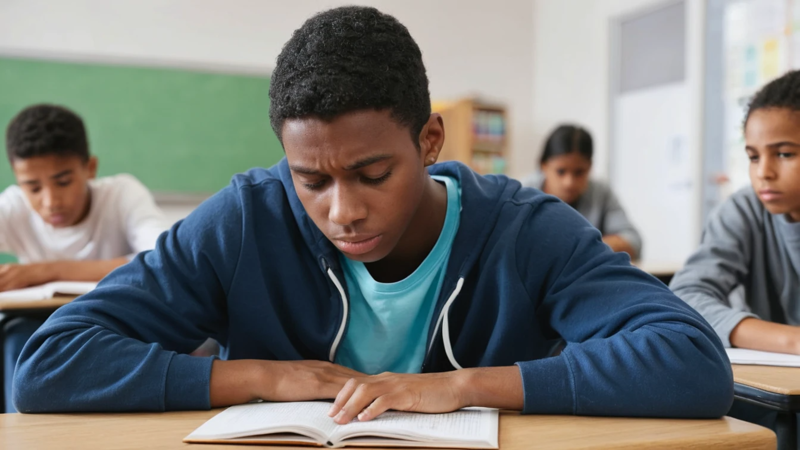
Academic struggles often affect mental health. Students may feel embarrassed, anxious, or discouraged when they fall behind classmates.
Teachers should normalize asking for help and remind students that learning difficulties do not define intelligence. Emotional support can dramatically improve classroom performance.
Simple emotional support strategies include:
- Listening without judgment
- Encouraging positive self-talk
- Teaching stress-management techniques
- Providing reassurance during challenges
A calm and emotionally supportive environment helps students regain confidence and focus.
📘 Encourage Growth Mindset Thinking
A growth mindset teaches students that abilities improve through practice and effort. This mindset reduces fear of failure and encourages resilience.
Students with fixed mindsets often believe they are “bad” at certain subjects forever. Teachers should replace negative labels with encouraging language focused on progress.
Helpful growth mindset phrases include:
- “You are improving every day.”
- “Mistakes help you learn.”
- “Keep practicing and you will get better.”
These positive messages help students view challenges as opportunities rather than failures. 🌟
👩🏫 Provide Individualized Support
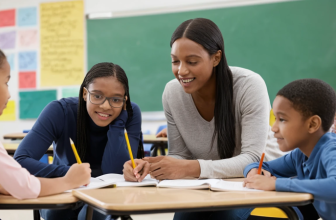
Some students need extra support beyond general classroom instruction. Personalized learning plans can address specific academic challenges more effectively.
Teachers may offer one-on-one tutoring, modified assignments, or additional practice activities. Flexible instruction allows students to learn at a comfortable pace without unnecessary pressure.
Individualized support also respects different learning styles and abilities. Students often make faster progress when lessons match their unique needs.
📝 Give Constructive Feedback
Feedback strongly influences student motivation. Harsh criticism discourages struggling learners, while supportive feedback encourages improvement.
Constructive feedback should focus on effort, progress, and clear next steps. Instead of saying, “This is wrong,” teachers can say, “You are close. Let’s fix this part together.”
Effective feedback includes:
- Specific suggestions for improvement
- Positive reinforcement
- Encouragement to keep trying
- Recognition of effort
Students become more willing to learn when feedback feels supportive instead of discouraging.
🤝 Encourage Peer Support And Collaboration
Peer learning can benefit struggling students greatly. Working with classmates allows students to ask questions in a less intimidating environment.
Group activities also improve communication and teamwork skills. Students often explain concepts to each other in simple ways that feel easier to understand.
Teachers should carefully organize groups to ensure supportive collaboration rather than competition. Respectful peer interactions create stronger classroom communities. 😊
🔄 Stay Patient And Consistent
Progress takes time. Struggling students rarely improve overnight, and setbacks are completely normal during the learning process.
Consistency matters more than perfection. Students need regular encouragement, structured routines, and ongoing support from both teachers and parents.
Patience helps students feel safe enough to continue trying even after mistakes. Long-term success often comes from small daily improvements rather than dramatic changes.
🌱 Promote Independent Learning Skills
Helping students become independent learners builds confidence and responsibility. Students should gradually learn how to solve problems, ask questions, and manage their own learning habits.
Teachers can encourage independence by allowing students to make choices about projects or study methods. Guided independence improves decision-making and critical thinking skills.
Independent learners also develop resilience. They become more prepared to handle future academic challenges without constant assistance. 📚
🎓 Celebrate Progress Instead Of Perfection
Many struggling students feel discouraged because they compare themselves to others constantly. Celebrating progress helps shift focus toward personal growth instead of competition.
Even small achievements deserve recognition. Completing homework consistently, improving quiz scores, or participating in class discussions are meaningful victories.
Celebrations do not need to be expensive or dramatic. Simple praise, encouraging notes, or classroom recognition can motivate students to keep working hard. Positive reinforcement creates lasting confidence and stronger academic habits. 🎉
Conclusion
Learning struggles do not mean a student lacks intelligence or potential. Most struggling students simply need understanding, patience, and the right support strategies to succeed. When teachers and parents work together, students feel more confident, motivated, and capable of overcoming academic challenges.
Supporting struggling learners requires emotional encouragement, personalized instruction, and consistent communication. By focusing on strengths, creating safe learning environments, and celebrating progress, educators can help students develop resilience and long-term success both inside and outside the classroom.
FAQs
How can teachers help weak students learn faster?
Teachers can help weak students by using simple explanations, interactive activities, and personalized instruction. Consistent encouragement also improves student confidence. Small learning goals make progress feel manageable and motivating.
What are the best strategies for struggling learners?
The best strategies include active learning, positive feedback, individualized support, and strong parent communication. Students also benefit from emotional encouragement and growth mindset teaching. Consistency is important for long-term success.
How do parents support struggling students at home?
Parents can create study routines, reduce distractions, and communicate regularly with teachers. Encouraging effort instead of perfection also improves motivation. Emotional support helps children feel more confident about learning.
Why do students suddenly struggle in school?
Students may struggle because of stress, learning gaps, low confidence, or changes in teaching methods. Emotional or family challenges can also affect academic performance. Early support prevents small problems from growing larger.
How can schools improve student academic success?
Schools can improve academic success by creating supportive classrooms, offering tutoring programs, and encouraging teacher-parent collaboration. Emotional well-being should also remain a priority. Personalized learning support helps students achieve better outcomes.